

National Park Free Days 2026: Your Complete Planning Guide
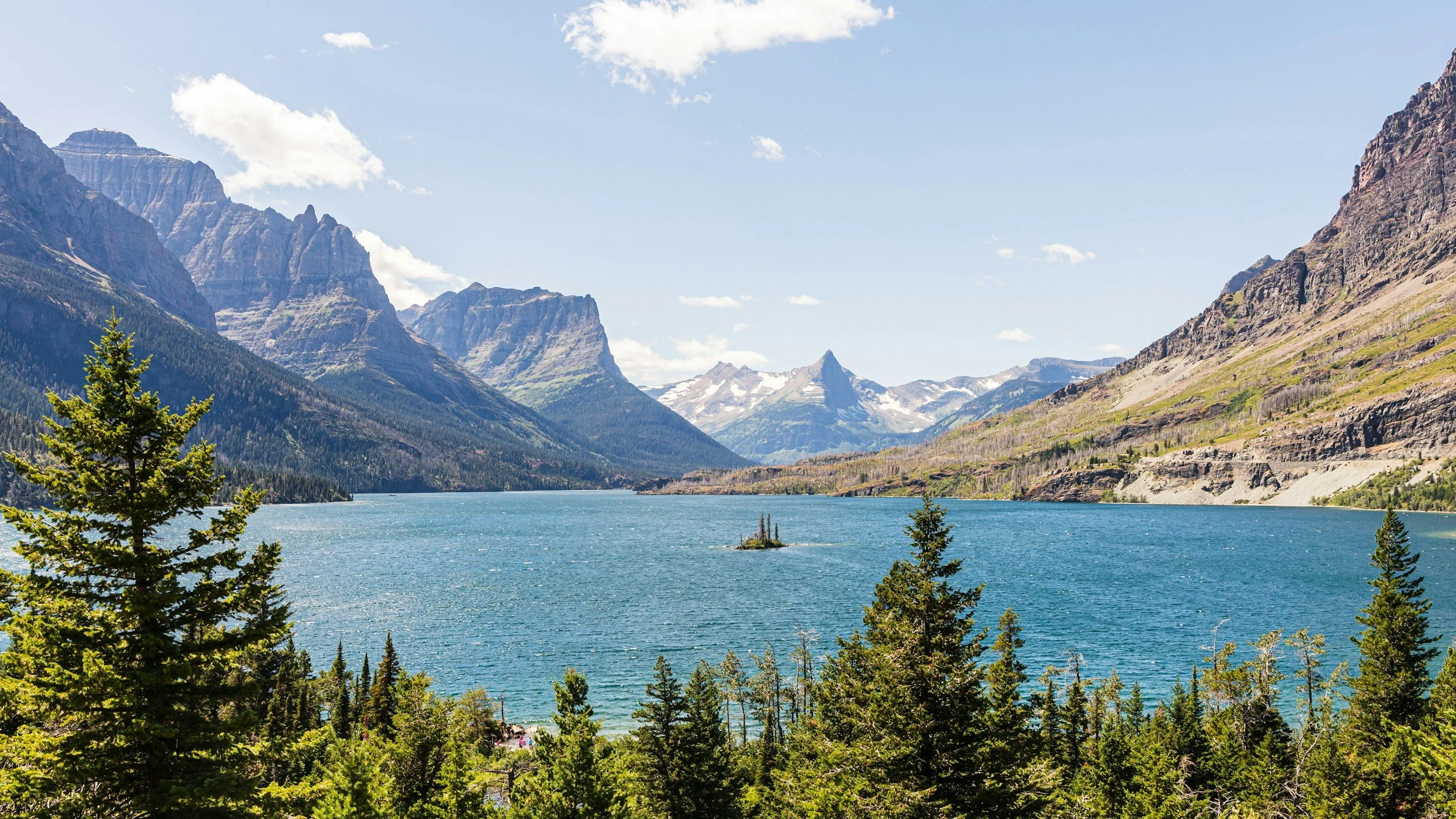
The National Park Service has announced 10 fee-free days for 2026. For American families planning park visits, understanding these changes—along with which of the 63 national parks charge fees and alternative pass options—is essential for maximizing your adventure budget.
Related: How to get free admission to Wisconsin state parks in 2026
The 2026 fee-free calendar
The 2026 schedule centers on what officials call "patriotic fee-free days," expanding from 6 days in 2025 to 10 days in 2026. Only Veterans Day remains from previous years. Notably absent are Martin Luther King Jr. Day and Juneteenth, both removed from the calendar. Here’s the full 2026 line-up:
February 16 Presidents Day (Washington's Birthday)
May 25 Memorial Day
June 14 Flag Day
July 3–5 Independence Day Weekend (3 days)
August 25 110th Birthday of the National Park Service
September 17 Constitution Day
October 27 Theodore Roosevelt's Birthday
November 11 Veterans Day
Critical planning notes: Fee-free days waive entrance fees only—families should budget separately for camping, boat launches, shuttle transportation, timed entry reservations, and concession-operated tours. The Independence Day weekend offers three consecutive free days, making it ideal for multi-day park visits if you can navigate the holiday crowds.
New residency requirements
Beginning January 1, 2026, fee-free day benefits apply exclusively to U.S. citizens and residents. Visitors aged 16 and older may be asked to provide identification. International visitors must pay standard entrance fees plus, at 11 of the most popular parks, a $100 per-person surcharge. The affected parks include Acadia, Bryce Canyon, Everglades, Glacier, Grand Canyon, Grand Teton, Rocky Mountain, Sequoia & Kings Canyon, Yellowstone, Yosemite, and Zion. A new $250 Non-Resident Annual Pass is available for international travelers planning multiple visits.
Complete list of all 63 national parks by region
The United States has 63 officially designated national parks spread across 30 states and 2 U.S. territories. Of these, 21 parks are always free while 42 charge entrance fees (typically $20–$35 per vehicle for 7 days). Understanding which parks charge fees helps families plan strategically around fee-free days.
Western Region
California (9 parks):
Channel Islands — Always free
Death Valley — $30/vehicle
Joshua Tree — $30/vehicle
Kings Canyon — $35/vehicle
Lassen Volcanic — $30/vehicle
Pinnacles — $30/vehicle
Redwood — Always free
Sequoia — $35/vehicle
Yosemite — $35/vehicle
Alaska (8 parks):
Denali — $15/person
Gates of the Arctic — Always free
Glacier Bay — Always free
Katmai — Always free
Kenai Fjords — Always free
Kobuk Valley — Always free
Lake Clark — Always free
Wrangell–St. Elias — Always free
Utah (5 parks):
Arches — $30/vehicle
Bryce Canyon — $35/vehicle
Canyonlands — $30/vehicle
Capitol Reef — $20/vehicle
Zion — $35/vehicle
Hawaii (2 parks):
Haleakalā — $30/vehicle
Hawaiʻi Volcanoes — $30/vehicle
Washington (3 parks):
Mount Rainier — $30/vehicle
North Cascades — Always free
Olympic — $30/vehicle
Other Western states:
Crater Lake (Oregon) — $30/vehicle
Glacier (Montana) — $35/vehicle
Grand Canyon (Arizona) — $35/vehicle
Grand Teton (Wyoming) — $35/vehicle
Great Basin (Nevada) — Always free
Petrified Forest (Arizona) — $25/vehicle
Saguaro (Arizona) — $25/vehicle
Yellowstone (Wyoming/Montana/Idaho) — $35/vehicle
Central Region
Colorado (4 parks):
Black Canyon of the Gunnison — $30/vehicle
Great Sand Dunes — $25/vehicle
Mesa Verde — $30/vehicle
Rocky Mountain — $30/vehicle
Texas (2 parks):
Big Bend — $30/vehicle
Guadalupe Mountains — $10/person
Other Central states:
Badlands (South Dakota) — $30/vehicle
Theodore Roosevelt (North Dakota) — $30/vehicle
Wind Cave (South Dakota) — Always free
Voyageurs (Minnesota) — Always free
Eastern Region
Florida (3 parks):
Biscayne — Always free
Dry Tortugas — $15/person
Everglades — $35/vehicle
Other Eastern states:
Acadia (Maine) — $35/vehicle
Congaree (South Carolina) — Always free
Cuyahoga Valley (Ohio) — Always free
Gateway Arch (Missouri) — Always free
Great Smoky Mountains (Tennessee/North Carolina) — Always free
Hot Springs (Arkansas) — Always free
Indiana Dunes (Indiana) — $25/vehicle
Isle Royale (Michigan) — $7/person
Mammoth Cave (Kentucky) — Always free
New River Gorge (West Virginia) — Always free
Shenandoah (Virginia) — $30/vehicle
Territories:
National Park of American Samoa — Always free
Virgin Islands National Park — Always free
New Mexico (2 parks):
Carlsbad Caverns — $15/person
White Sands — $25/vehicle
The 21 always-free parks offer year-round value
Even outside fee-free days, families can visit these parks without paying entrance fees:
Biscayne, Channel Islands, Congaree, Cuyahoga Valley, Gates of the Arctic, Gateway Arch, Glacier Bay, Great Basin, Great Smoky Mountains, Hot Springs, Katmai, Kenai Fjords, Kobuk Valley, Lake Clark, Mammoth Cave, New River Gorge, North Cascades, Redwood, Voyageurs, Wind Cave, and Wrangell–St. Elias.
Great Smoky Mountains deserves special attention—it's the most visited national park with over 12 million annual visitors, and it never charges admission. Some free parks do charge for specific activities: Mammoth Cave requires paid tickets for cave tours ($6–$60), Gateway Arch charges for tram rides to the top (~$16), and Great Basin has cave tour fees ($8–$12).
America the Beautiful Pass makes sense after 3 visits
The $80 America the Beautiful Annual Pass remains the best value for families planning multiple park visits. It covers entrance fees at all 2,000+ federal recreation sites including NPS parks, BLM lands, national forests, and wildlife refuges.
What the pass covers:
Passholder plus all passengers in one private vehicle (at per-vehicle parks)
Passholder plus 3 additional adults at per-person parks (children under 16 always free)
Up to 2 motorcycles per pass (new for 2026)
12-month validity from purchase month
Break-even analysis: At $35 parks like Yellowstone, Yosemite, or Grand Canyon, the pass pays for itself after just 3 visits. For Utah's "Mighty Five" road trip (Arches, Bryce Canyon, Canyonlands, Capitol Reef, Zion), you'd pay $150 in individual fees versus $80 for the annual pass.
Free and discounted pass options:
Military Annual Pass: Free for active-duty military and dependents
Military Lifetime Pass: Free for veterans and Gold Star families
Senior Pass: $20/year or $80 lifetime for U.S. citizens 62+ (includes 50% camping discount)
Access Pass: Free lifetime pass for persons with permanent disabilities (includes 50% camping discount)
Every Kid Outdoors: Free for all 4th graders—covers entire family through August 31 of the school year
Family planning tip: If you have a 4th grader, secure the free Every Kid Outdoors pass at everykidoutdoors.gov before buying anything else. The pass covers the student plus all children under 16 and up to 3 adults (or an entire vehicle).
Digital passes streamline 2026 park entry
Starting January 1, 2026, all America the Beautiful passes are available in fully digital format through Recreation.gov. Families can purchase passes online, store them on mobile devices, and use digital validation for faster entry. Physical cards remain available for those who prefer them. Passes can now be purchased at REI and L.L.Bean retail locations (REI donates 10% to charity).
Strategic planning maximizes your fee-free days
For families with limited vacation flexibility, the Independence Day weekend (July 3–5) offers three consecutive free days—enough time for a substantial park visit. Memorial Day weekend (May 25) aligns with spring break schedules in some regions. Veterans Day (November 11) falls on a Wednesday in 2026, making it ideal for a midweek visit with smaller crowds.
The August 25 NPS Birthday celebration often includes ranger-led programs and special events. Constitution Day (September 17) lands on a Thursday, potentially allowing for a long weekend trip. For fall foliage enthusiasts, Theodore Roosevelt's Birthday (October 27) coincides with peak autumn colors in many eastern parks.
Conclusion
The 2026 fee-free calendar represents a significant shift in national park access policy, with 10 designated days focused on patriotic holidays and historical anniversaries. U.S. families gain expanded free-entry opportunities, though the removal of MLK Day and Juneteenth marks a notable change from previous years. For families planning multiple park visits, the $80 America the Beautiful Pass remains the most cost-effective option, paying for itself after just 2–3 visits to major parks. The 21 always-free parks—including the enormously popular Great Smoky Mountains—provide year-round access without any entrance fees. With digital passes now available and expanded motorcycle coverage, 2026 offers more flexibility than ever for families ready to explore America's national treasures.
There are restaurants, museums, shops, parks and places to stay throughout the off-season. The biggest change is that seasonal attractions begin closing in October, some businesses finish their season in early November, and many year-round businesses switch to shorter hours or fewer days.